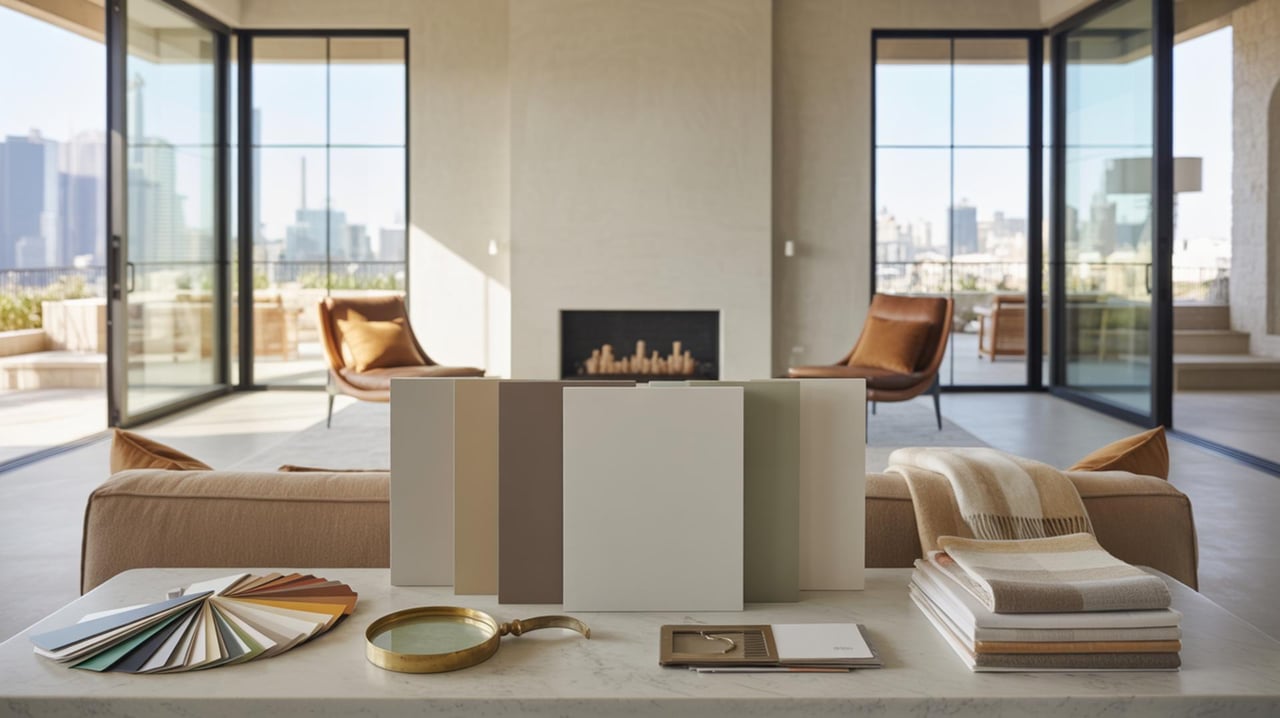
Choosing the right paint colors for your home can significantly impact the atmosphere and mood of each room. Understanding undertones and how they influence perception is key to creating a cohesive and inviting space. This guide explores essential aspects of selecting paint colors, offering practical insights to help you make informed decisions.
Understanding Undertones
Undertones are the subtle hues beneath the main color that can affect how a paint color appears in different lighting. For instance, a beige paint might have pink, yellow, or green undertones. Recognizing these undertones is crucial because they can clash with other elements in the room, such as furniture or flooring. To identify undertones, compare the paint sample with a true white color. This contrast can reveal the underlying hue, helping you make a more informed choice.
The Role of Natural Light
Natural light plays a significant role in how paint colors appear throughout the day. A room with ample sunlight might enhance warm undertones, making them appear more vibrant. Conversely, a north-facing room with limited natural light might make colors look cooler. Observing how light affects the paint samples at different times of the day can guide your selection process. Consider the direction your room faces and how much natural light it receives to ensure the chosen color complements the space.
Creating Mood with Color
Different colors evoke different emotions and moods. For instance, blues and greens are often associated with calmness and relaxation, making them ideal for bedrooms or bathrooms. On the other hand, warm colors like reds and oranges can energize a space, making them suitable for social areas like living rooms or kitchens. Understanding the psychological effects of colors can help you create the desired atmosphere in each room. Consider the function of the space and the mood you want to evoke when selecting paint colors.
Testing Paint Samples
Before committing to a color, testing paint samples on your walls is essential. Paint a small section of the wall and observe how it looks at various times of the day. This practice allows you to see how the color interacts with lighting and other elements in the room. It also helps identify any unexpected undertones that might emerge. Testing multiple samples can provide a clearer picture of which color best suits your space.
Coordinating with Existing Decor
Harmonizing paint colors with existing decor is crucial for a cohesive look. Consider the colors of your furniture, flooring, and accessories when selecting paint. Neutral colors often provide a versatile backdrop that complements various styles, while bold colors can make a statement. Creating a mood board with fabric swatches, paint samples, and photos of your decor can help visualize how everything will come together.
Considering Room Size and Shape
The size and shape of a room can influence how a paint color is perceived. Lighter colors can make a small room feel more spacious, while darker shades can add coziness to larger spaces. Additionally, using the same color on walls and ceilings can create a seamless look, enhancing the room's dimensions. Consider the architectural features of the room and how paint can accentuate or minimize them.
Using Accent Walls
Accent walls are an effective way to introduce color without overwhelming a space. Choosing a bold color for one wall can add depth and interest, drawing attention to a specific area. When selecting an accent wall, consider the room's focal point, such as a fireplace or a piece of art. The accent color should complement the other walls and decor, creating a balanced and harmonious look.
The Impact of Finish
The finish of the paint can affect both the appearance and durability of the color. Matte finishes offer a soft, non-reflective look, ideal for hiding imperfections. Glossy finishes, on the other hand, reflect light and can make colors appear more vibrant. They are also more durable and easier to clean, making them suitable for high-traffic areas. Consider the room's function and desired aesthetic when choosing the paint finish.
Trends vs. Timeless Choices
While trends can offer inspiration, it's important to consider timeless choices that will endure over time. Neutral colors often provide a classic look that can adapt to changing styles and decor. If you want to incorporate trends, consider using them in smaller doses, such as through accessories or accent walls. This approach allows you to update the look without committing to a full room makeover.
Seeking Professional Advice
If you're uncertain about your color choices, consulting with a professional can provide valuable insights. Interior designers or color consultants can offer expert advice tailored to your specific space and preferences. They can help you navigate the complexities of undertones, lighting, and decor coordination, ensuring a harmonious and aesthetically pleasing result.
Transform Your Space with the Right Colors
Choosing the right paint colors can truly transform your home, creating the perfect mood and atmosphere. By understanding undertones, you can make informed decisions that reflect your personal style. Whether you're refreshing a single room or your entire home, the right colors can make all the difference. For expert advice and guidance, reach out to The Molife Group and start your color journey today!