Trying to choose between a master-planned community and a quieter subdivision in Westfield? You are not alone. As Westfield keeps growing, buyers often find themselves weighing lifestyle, cost, rules, and day-to-day feel just as much as square footage or finishes. This guide will help you compare both paths clearly, so you can move forward with confidence. Let’s dive in.
Westfield offers two distinct lifestyles
Westfield had an estimated 2024 population of 62,994, and its long-range planning points to continued growth supported by roads, utilities, schools, and parks. The city also offers 11 parks, more than 100 miles of multi-use trails, and the 400-acre Grand Park Sports Campus. That means many neighborhoods benefit from access to public amenities, even if they do not have a big private amenity package.
In practical terms, Westfield gives you a real choice. Some neighborhoods are highly programmed and amenity-rich, while others are quieter and more traditional in their layout and day-to-day rhythm. The right fit often comes down to how you want to live, not just where you want to live.
What master-planned can mean in Westfield
In Westfield, a master-planned or amenity-rich community does not always work the same way. Some amenities are public, some are managed by an HOA, and some are tied to a private club. That distinction matters because it affects cost, access, maintenance, and rules.
For example, the city’s parks and trails are public assets. By contrast, Harmony is an HOA-led community with a clubhouse, pools, courts, trails, dog parks, and recurring social events. Chatham Hills adds a private club model with golf, dining, fitness, bowling, indoor and outdoor pools, and a large clubhouse, with membership opportunities and a monthly food minimum that buyers should verify.
Osborne Trails shows a third version. Its planned amenities are tied to PUD requirements, along with covenants and shared maintenance costs. So when you hear “amenity-rich” in Westfield, it is worth asking who owns the amenities, who pays for them, and who makes the rules.
What a quiet street often looks like
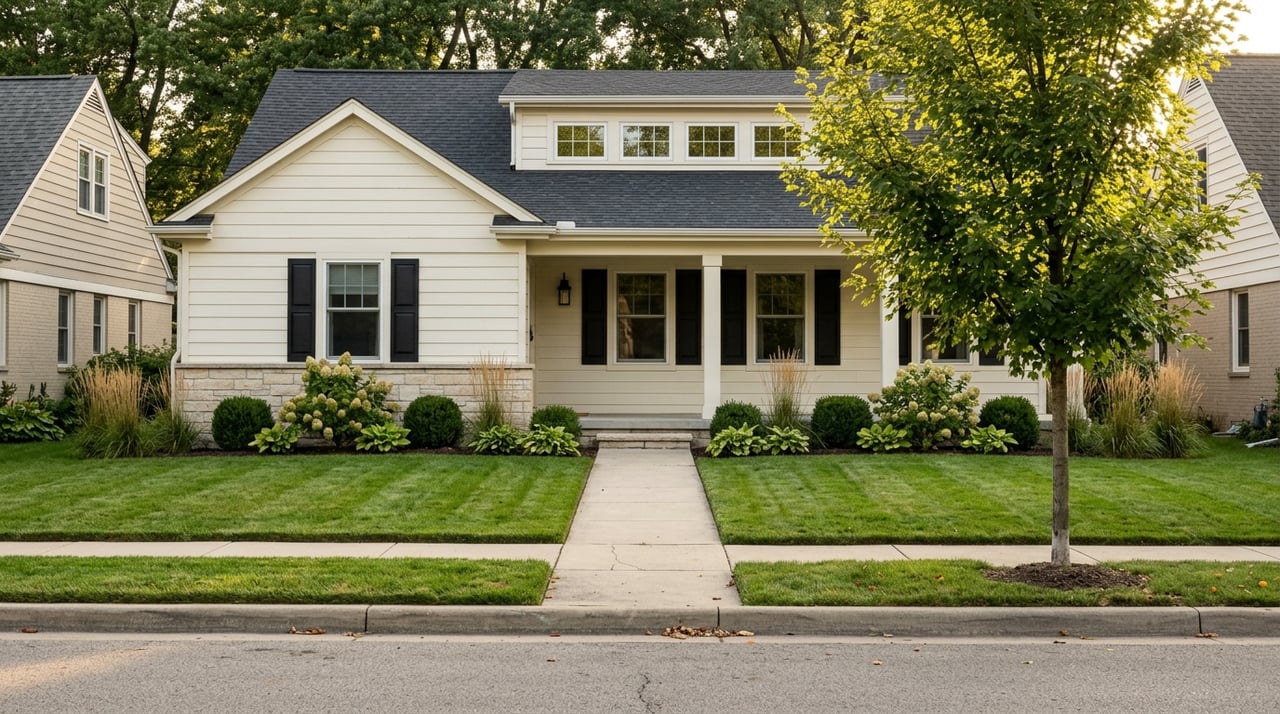
At the other end of the spectrum, smaller or more traditional Westfield subdivisions tend to focus less on activity programming and more on a calm residential setting. You may still have an HOA, but the neighborhood identity usually centers on homes, streets, landscaping, and common-area upkeep instead of a resort-style feature list.
Willow Creek is a good example. It describes itself as a quiet, friendly neighborhood with 158 homes on 13 streets and gently winding roads. It also has annual dues and a volunteer board, which shows that lower-key does not mean no structure.
Maple Knoll is another useful example. It emphasizes a quiet community feel, along with landscaping, common area maintenance, and architectural review. Mulberry Farms also highlights peaceful streets and quiet surroundings while remaining close to Grand Park, the Monon Trail, downtown Westfield, Clay Terrace, and MacGregor Park.
Start with your day-to-day routine
A neighborhood can look great online and still feel wrong for your real life. That is why your daily routine should lead the decision. If you want built-in recreation, planned activities, and shared gathering spaces, a master-planned community may feel easy and energizing.
If you prefer lower foot traffic, fewer organized events, and a more private day-to-day environment, a quieter subdivision may suit you better. Neither choice is better. It is about whether you want your neighborhood to create activity for you, or simply give you a calm place to come home to.
Compare amenities with ownership models
One of the biggest mistakes buyers make is comparing amenities without comparing how those amenities are structured. A pool, trail, clubhouse, or fitness space can sound similar from one community to another, but the ownership model changes the experience.
Here is a simple way to think about it:
| Community type | Typical amenities | Who manages them | What to verify |
|---|---|---|---|
| Public-access lifestyle | Parks, trails, city recreation | City of Westfield | Distance, access, future nearby development |
| HOA-led community | Clubhouse, pools, courts, trails, events | HOA | Dues, rules, maintenance responsibilities |
| Club-based community | Golf, dining, fitness, private clubhouse, pools | Private club plus neighborhood structure | Membership costs, required minimums, what is included |
This comparison can save you frustration later. A neighborhood with fewer private amenities may still work beautifully for you if it sits near the public trails and parks you already plan to use.
HOA rules matter more than many buyers expect
In Westfield, the city says fences do not need a building permit, but property owners still must follow easements, property lines, and HOA restrictions. Above-ground pools may also require HOA approval. That is a good reminder that neighborhood rules can shape your experience just as much as location.
Maple Knoll notes that community associations are nonprofit corporations with mandatory membership and assessments. Willow Creek publishes dues, covenants, and a volunteer board structure. Harmony also shows formal governing documents, a dues portal, and board-approved upgrades.
Before you buy, ask specific questions about:
- Fences
- Pools
- Sheds
- Exterior changes
- Mailboxes
- Parking
- Soliciting
- Architectural review
- Annual or monthly dues
- Special assessments or shared maintenance costs
If you want flexibility, a quieter neighborhood may still have rules that surprise you. If you want amenities, those often come with more formal governance and a more active decision-making structure.
Think beyond today’s neighborhood feel
Westfield’s Comprehensive Plan and development tools matter for buyers because the city is actively planning for growth. The primary plat process sets the overall layout of lots, blocks, streets, and infrastructure, while PUD ordinances guide customized developments. In simple terms, the area around a neighborhood may not stay exactly as it feels today.
That does not mean change is bad. It simply means you should look at both current lifestyle and future context. A quiet edge-of-town feel may become more connected and active over time as roads, trails, and nearby developments expand.
Questions to ask on a Westfield home tour
When you tour neighborhoods in Westfield, it helps to move beyond the house itself. The community structure can affect your budget, free time, and long-term satisfaction.
Ask these questions as you compare options:
Are amenities included or separate?
Some communities include amenities through HOA dues, while others may have separate club memberships or added costs. Chatham Hills is a good example of a neighborhood where buyers should verify what is included and what is separately priced.
How active is the social calendar?
Harmony is known for recurring community activities and a more social, programmed environment. Quieter subdivisions like Willow Creek or Maple Knoll tend to feel more residential and lower-key.
Who handles maintenance?
Some features are city-owned, such as public parks and trails. Other common areas and amenities are maintained through an HOA or club structure. That difference affects both cost and expectations.
What nearby growth is planned?
Because Westfield continues to grow, nearby land use and infrastructure may shape the future feel of a neighborhood. A calm setting today may become busier, more connected, or more active in the years ahead.
Which option fits you best?
If you love convenience, built-in recreation, and a stronger sense of neighborhood programming, a master-planned or amenity-heavy community may be the better fit. You may pay more in dues or accept more rules, but you could gain lifestyle features you use often.
If you value a quieter setting, simpler streetscape, and fewer shared amenities, a traditional subdivision may feel more comfortable. You may still have HOA oversight, but the neighborhood experience often feels more centered on home life than on community programming.
In Westfield, you do not have to choose between total isolation and a packed social calendar. Many buyers land somewhere in the middle, looking for a calm street with good access to the city’s parks, trails, and destinations.
A smart Westfield decision starts with clarity
The best neighborhood choice is the one that supports how you actually want to live. In Westfield, that means looking closely at amenities, rules, maintenance, dues, and future growth, not just model-home appeal or listing photos.
Whether you are buying your next long-term home, relocating within the north side, or weighing a move based on lifestyle priorities, a clear comparison can make the process much easier. If you want help sorting through Westfield neighborhoods and matching your goals to the right community, connect with The Molife Group.
FAQs
What is the difference between a master-planned community and a quiet subdivision in Westfield?
- In Westfield, master-planned or amenity-rich communities usually offer more shared features, events, and structured amenities, while quieter subdivisions tend to focus more on residential streets, landscaping, and lower-key day-to-day living.
What should you ask about HOA rules in Westfield neighborhoods?
- You should ask about fences, pools, sheds, exterior changes, parking, mailboxes, architectural review, dues, and any shared maintenance costs, since HOA structure and rule enforcement can vary widely by community.
Are Westfield neighborhood amenities always included in HOA dues?
- No. Some amenities are covered through HOA dues, while others may involve separate club memberships or added costs, so you should confirm exactly what is included before you buy.
Can a quiet Westfield neighborhood still have an HOA?
- Yes. Neighborhoods like Willow Creek and Maple Knoll show that a community can feel calm and traditional while still having dues, covenants, and an HOA or management structure.
Why does future growth matter when choosing a Westfield neighborhood?
- Westfield’s planning documents show continued growth supported by roads, utilities, parks, and other infrastructure, so the area around a neighborhood may become more connected or active over time.