Feeling squeezed in a home that used to fit just right? If your Brownsburg house suddenly feels short on bedrooms, storage, or everyday breathing room, you are not alone. In a growing, owner-occupied community like Brownsburg, it is common for space needs to change fast, and the move-up process can feel tricky when you need to sell one home while buying the next. This guide will walk you through how to plan the timing, prepare your current home, and reduce stress so you can move forward with more confidence. Let’s dive in.
Why move-up sellers in Brownsburg need a plan
Brownsburg continues to grow, with 34,089 residents reported in July 2025 and a 17.4% increase from the April 2020 base. Town data also shows a 75.1% owner-occupied housing rate, 27.3% of residents under 18, and a median household income of $102,235. Put simply, many households here are putting down roots, and changing space needs are a natural part of that.
The local housing market also moves at a pace that can catch sellers off guard. Recent Redfin data shows Brownsburg homes selling for about $340,000, going under contract in about 15 days, receiving about two offers on average, and closing at 98.9% of list price. With 19.3% of homes selling above list price, your next-home plan matters just as much as your sale strategy.
Sell first or buy first?
For most homeowners, the safer default is to sell first and then buy. CFPB guidance says that if you want to move, you normally try to sell your current home before buying another one. That approach can give you a clearer picture of your proceeds and reduce the risk of carrying two housing payments at once.
That said, your best path depends on your finances, timeline, and tolerance for overlap. In a market like Brownsburg, where homes can go pending quickly, many move-up sellers benefit from having lender conversations and backup plans in place before the listing goes live. The goal is not just to sell well, but to avoid getting rushed on the purchase side.
When selling first makes sense
Selling first may be the better fit if you want more certainty about your budget for the next home. It can also help if you need your current home equity to fund the down payment or closing costs. For many households, this route lowers financial pressure during the transition.
When buying first may be necessary
Sometimes you need to secure the next home before your current one closes. If that happens, contract protections matter. CFPB says offers should be contingent on financing and a satisfactory inspection, and negotiable terms can include home-sale, home-close, appraisal, early move-in, and rent-back arrangements.
If you accept or submit a contingent offer, the contract language should be reviewed carefully by a real estate attorney. Sellers who accept a contingent offer may also use continue-to-show and kick-out clauses to preserve backup options. Those details can make a big difference when timing gets tight.
Get financing lined up early
Before you shop seriously for your next home, get preapproved. CFPB also recommends comparing at least three loan offers from different lenders so you can understand your options before writing offers. That step can help you make clearer decisions about payment, loan structure, and how much flexibility you really have.
If you are worried about overlap between homes, ask a lender about short-term options before you count on them. CFPB defines a temporary bridge loan as a loan with a term of 12 months or less, including one used to buy a new dwelling while the consumer plans to sell the current one within 12 months. A HELOC may also provide access to equity, but CFPB warns that falling behind can put your home at risk.
Prepare your Brownsburg home to sell well
A move-up sale is not just about finding a buyer. It is also about making your home easy to say yes to. In a market where homes move quickly, strong preparation can help you attract serious interest and support a smoother transaction.
According to NAR’s 2025 staging report, 29% of agents saw staged homes receive a 1% to 10% increase in offered value, and 49% saw faster sales. The same report found that 83% of buyers’ agents said staging made it easier for buyers to visualize the home as their future property.
Focus on the prep work that matters most
Start with the basics that have the biggest visual impact:
- Declutter each room
- Deep clean the entire home
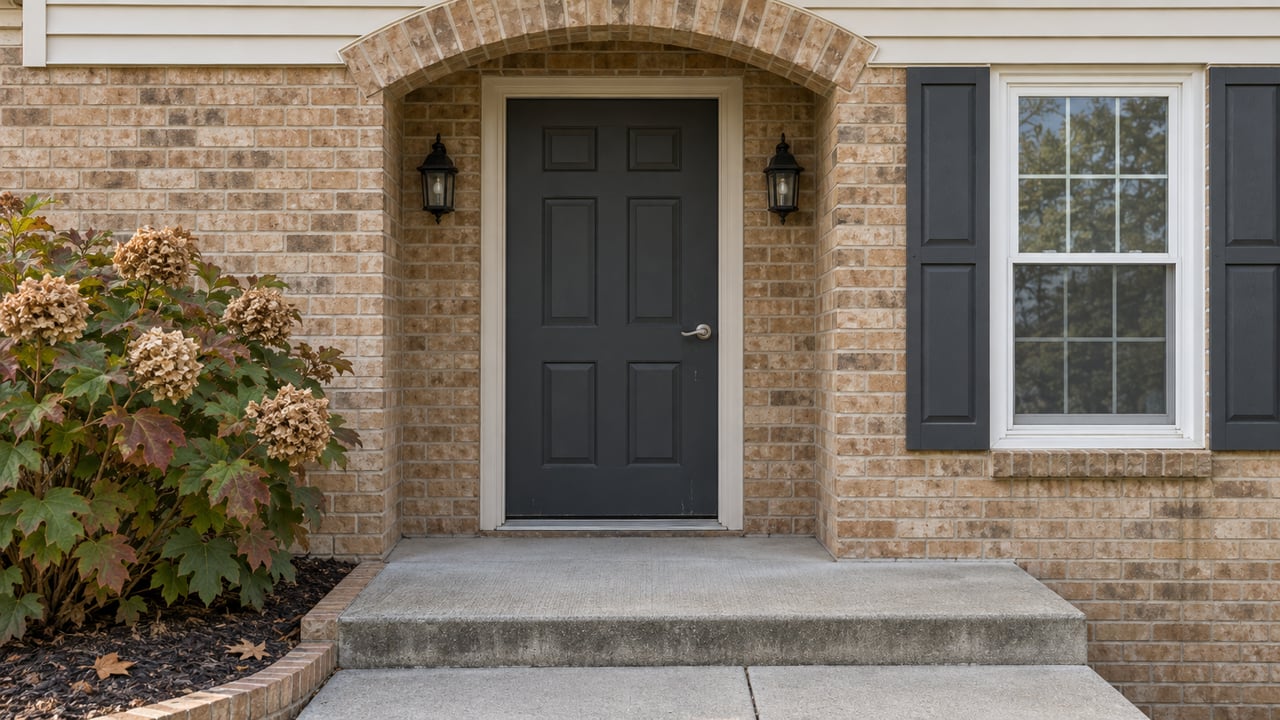
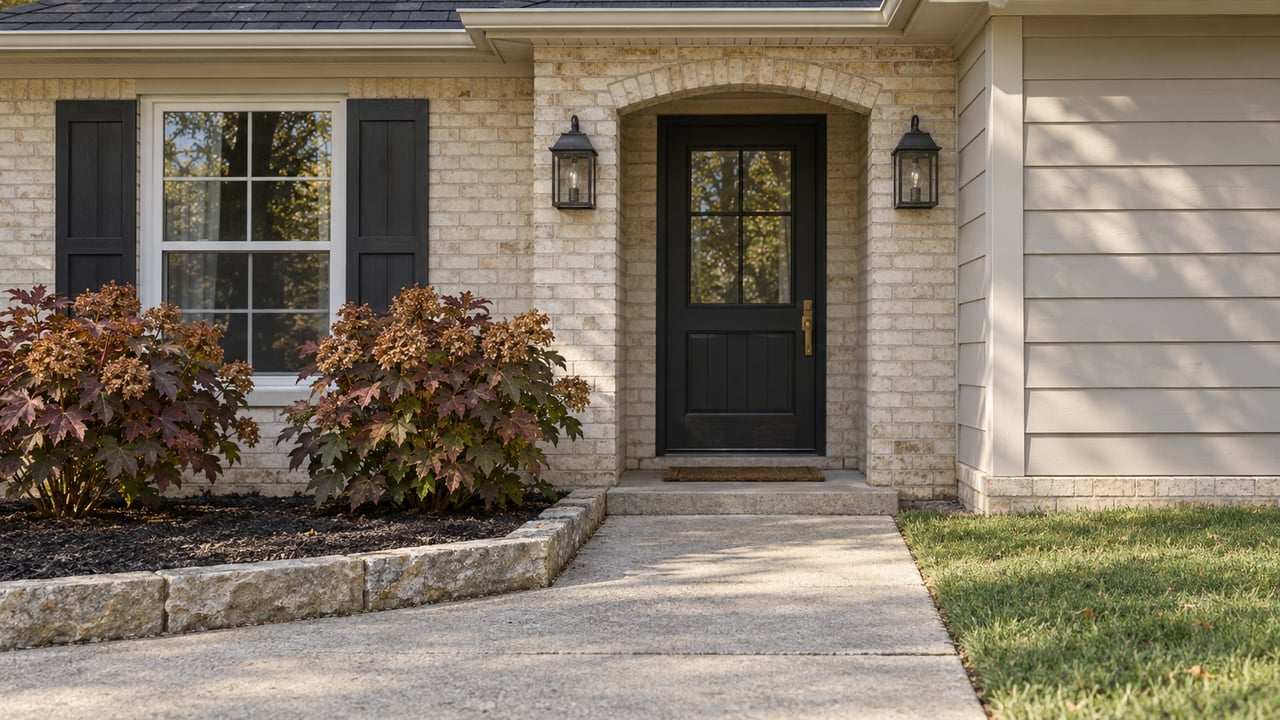
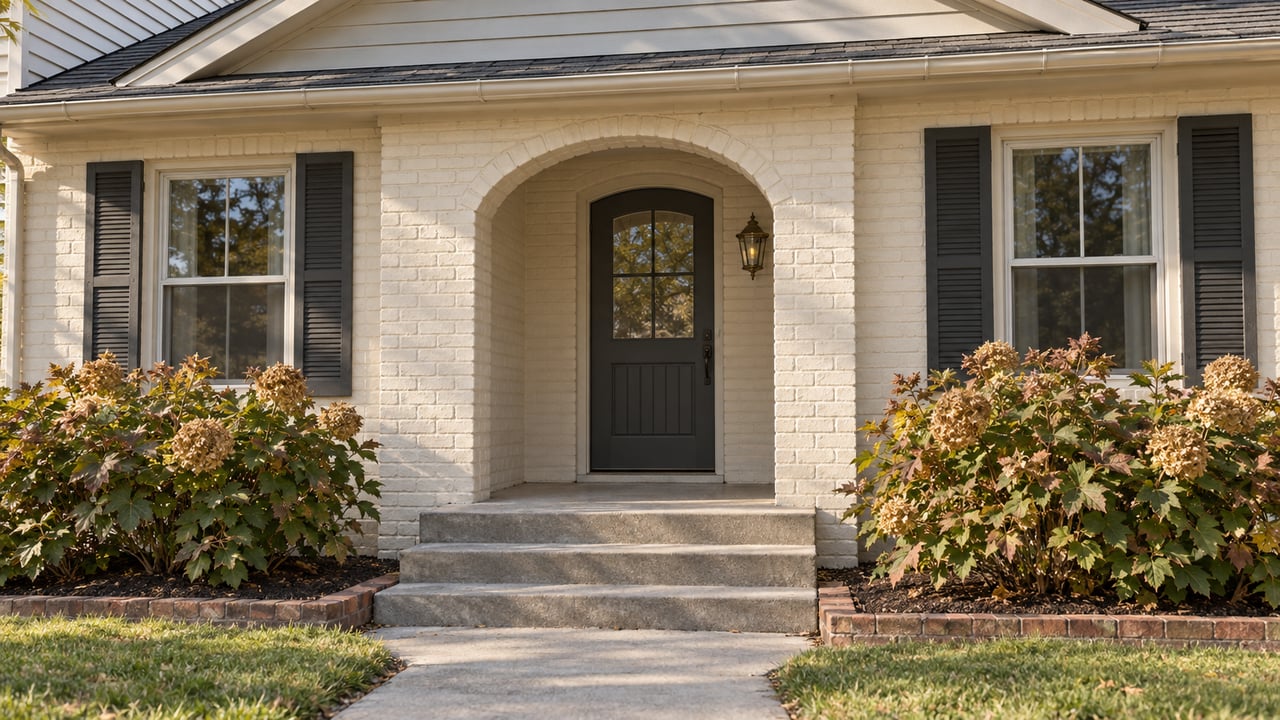
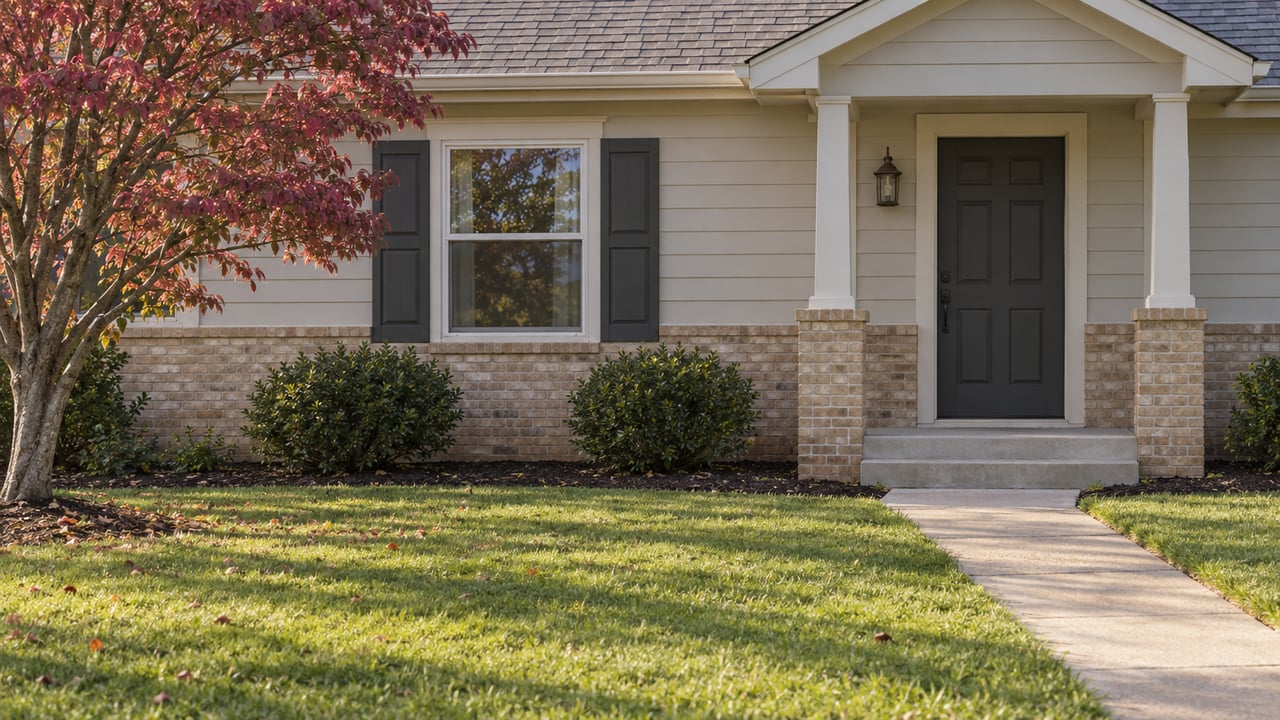
- Improve curb appeal
- Prioritize the living room, primary bedroom, dining room, and kitchen for staging
These steps help buyers focus on the home itself rather than distractions. They also support better listing photos and tours, which matter more than ever.
Do not overlook your media plan
NAR’s report also points to listing photos, physical staging, videos, and virtual tours as especially important. That means your presentation online is just as important as your in-person showing condition. If buyers are comparing homes quickly, polished marketing can help your listing stand out early.
Handle paperwork before it becomes a problem
One of the easiest ways to reduce stress is to gather required disclosures before your home hits the market. In Indiana, owners of 1-to-4 unit residential property generally must complete and sign the seller disclosure form and provide it to the prospective buyer before an offer is accepted. Indiana’s sales-disclosure instructions also say the form must be complete before the county auditor accepts the conveyance.
If your home was built before 1978, there is another key step. EPA rules require disclosure of known lead-based paint information, and buyers must receive a 10-day period for testing. Flagging these items early can help you avoid delays once offers start coming in.
Plan for what happens if your home sells fast
Because Brownsburg homes are going under contract in about 15 days on average, it is smart to think beyond the listing date. What will you do if your home gets strong interest right away? Having an answer in place can keep a good outcome from becoming a stressful scramble.
A few common ways to create breathing room include:
- Selling first, then shopping with a clearer budget
- Writing purchase offers with financing and inspection contingencies
- Negotiating a rent-back if your buyer agrees
- Discussing bridge financing or a HELOC with your lender before you need it
- Keeping a short-term backup housing plan in mind
NAR notes that a rent-back clause can allow sellers to remain in the home after closing if the buyers agree, with rental compensation and a final move-out date negotiated in advance. For some move-up sellers, that can be a practical short-term buffer when closing dates do not line up perfectly.
Choose the right selling path for your situation
Not every move-up seller has the same priorities. Some want to maximize price with a polished listing and broad market exposure. Others care more about speed, simplicity, or avoiding repairs while they focus on the next move.
That is why it helps to work with a team that can talk through more than one option. If your Brownsburg home is show-ready and your timeline allows for full preparation, a traditional listing may help you capture strong market demand. If your situation is more time-sensitive, an as-is sale may offer a simpler path forward.
A simple move-up checklist
If you are not sure where to begin, start here:
- Review your budget and home equity position.
- Get preapproved and compare at least three loan offers.
- Decide whether selling first or buying first fits your risk tolerance.
- Talk through contingencies and timing strategies before making offers.
- Declutter, deep clean, and improve curb appeal.
- Complete Indiana disclosure paperwork early.
- Build a backup plan for overlap between closings.
A good move-up plan gives you options before you need them. That is especially important in a market where the timeline can compress quickly.
If you are outgrowing your Brownsburg home, the best next step is a strategy that fits your timeline, budget, and stress level. Whether you want to pursue top-market exposure or explore a simpler as-is option, The Molife Group can help you map out a clear path forward.
FAQs
Should I sell my Brownsburg home before buying my next one?
- For many homeowners, yes. CFPB’s general guidance is to sell first and then buy, which can reduce financial pressure and clarify your budget.
How fast are homes selling in Brownsburg right now?
- Recent Redfin data shows Brownsburg homes going under contract in about 15 days on average, with about two offers per home.
What disclosures do Indiana home sellers need before accepting an offer?
- Owners of 1-to-4 unit residential property generally must complete and sign the Indiana seller disclosure form and provide it to the prospective buyer before an offer is accepted.
What if my Brownsburg home was built before 1978?
- If your home was built before 1978, you must disclose known lead-based paint information and give buyers a 10-day opportunity for testing.
What home prep matters most for a move-up sale in Brownsburg?
- The highest-value basics are decluttering, deep cleaning, improving curb appeal, and staging key spaces like the living room, primary bedroom, dining room, and kitchen.
Can I stay in my home after closing if my next home is not ready?
- In some cases, yes. A rent-back clause may allow you to remain in the home after closing if the buyer agrees and the terms are negotiated in advance.