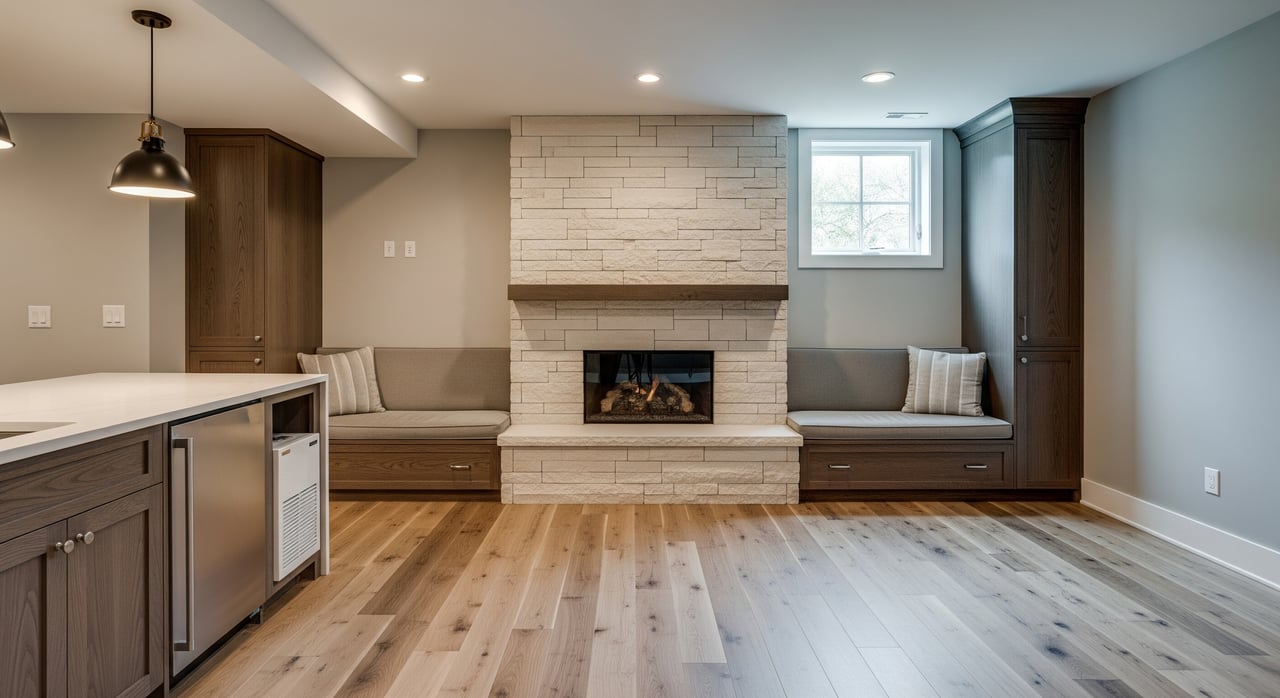
Thinking about turning that Indianapolis basement into a cozy family room or an extra bedroom? Before you pick paint colors, you need a clear plan for codes and moisture. In Marion County, permits, egress, and ceiling heights matter for safety and resale. Moisture management matters even more because of our soils and storms. In this guide, you’ll learn what the local code typically expects, how to keep your space dry, and when to call in a pro. Let’s dive in.
Permit and code basics in Marion County
Basement finishing in Indianapolis usually needs permits. You are adding habitable space, and that triggers reviews for safety items like egress, alarms, and mechanicals. Indianapolis uses the Indiana Residential Code, which is based on the IRC and state energy requirements. The exact edition can change, so it is smart to confirm the current edition with the Indianapolis-Marion County Building Department before you start.
Permit triggers to expect
- Turning unfinished space into habitable rooms, including bedrooms or living areas.
- Adding or enlarging egress windows or doors.
- Structural changes, like cutting a new opening in a foundation wall.
- New or relocated HVAC, plumbing, electrical, or sump pump installation.
- Any change to how you exit the basement to the outdoors.
Basement bedroom egress basics
If you plan a bedroom, you need an emergency escape and rescue opening. Typical IRC guidance includes:
- Minimum net clear opening area commonly 5.7 square feet.
- Minimum net clear opening width of 20 inches and height of 24 inches.
- Maximum window sill height of 44 inches above the finished floor.
- Window wells often need at least 9 square feet of horizontal area with a minimum dimension of 36 inches, plus a ladder or steps if the well is deep.
Many older Indy homes have small hopper or awning windows that do not meet modern egress standards. Plan on enlarging a window, adding a compliant well, or creating an egress door if you want a legal bedroom.
Ceiling height and obstructions
Most habitable rooms and hallways need a 7-foot minimum ceiling height. Beams, ducts, or sloped areas can have reduced clearances in limited spots, but those details depend on code edition and local interpretation. Measure after you account for framing, drywall, and any soffits around ductwork so your plan meets the required clearances.
Alarms, exits, and mechanicals
Expect to add or upgrade smoke and carbon monoxide alarms for new sleeping areas. Alarms are typically required inside and outside bedrooms and are often interconnected. If you add a door or exterior stair, you will need proper landings and handrails. Electrical, plumbing, and HVAC work in the basement will require separate permits and inspections.
Moisture comes first in Indianapolis
Indianapolis basements see water pressure and high humidity because of clay-heavy soils and seasonal storms. If you address moisture before you frame, you protect your investment and improve indoor air quality.
Fix grading and roof drainage
Start with surface water. Slope soil to direct water away from your foundation. Extend downspouts several feet to discharge away from the house. Clear gutters and keep window wells free of debris. These low-cost steps can prevent many seepage issues.
Exterior vs. interior waterproofing
The most durable solution is on the outside: a waterproof membrane on the foundation walls and a perimeter drain at the footing that routes water to a storm system or sump. If exterior work is not feasible, interior perimeter drains can collect water at the slab edge and direct it to a sump pit. Interior systems manage water after it enters and do not relieve exterior pressure on walls, but they are often practical for finished basements.
Sump pumps and smart redundancy
A reliable sump pump with a check valve and proper discharge is essential for many Indy homes. Power outages and storms often strike together here, so add a battery backup or a second pump. An alarm or smart monitor helps you act before stored items or finishes are at risk. If your pump cycles frequently or fails, consider a professional evaluation.
Window wells and drainage
Egress window wells should drain properly and not collect roof runoff. Covers help keep debris and water out. Make sure the well has the required horizontal area and an approved ladder or steps if it is deep.
Signs you need a pro
Call a waterproofing specialist if you see active seepage, stream-like leaks, or recurring water after you improve grading and downspouts. Mold growth, efflorescence, or musty odors that come back suggest hidden moisture paths. Frequent pump failure or sewer surcharge also calls for a professional plan.
Insulation and vapor control that work
You live in DOE Climate Zone 5, which means cold winters, humid summers, and a basement assembly that must prevent condensation. The energy code sets minimum insulation levels, but values change by edition, so focus on strategies that fit this climate.
Interior rigid foam strategy
For retrofit projects, interior continuous rigid foam against concrete or masonry is a common approach. Closed-cell boards like XPS or foil-faced polyiso create a thermal break and raise the interior wall surface temperature to limit condensation. Tape and seal seams so air cannot move behind the foam. Extend insulation below grade where practical to reduce cold spots near the footing.
Rim joist sealing
Seal and insulate the rim joist where the foundation meets the floor framing. Spray foam or cut-and-seal rigid foam blocks infiltration and thermal bridging in this leaky zone. This detail pays off in comfort and energy savings.
Avoid trapping moisture
Avoid putting a non-breathable plastic vapor barrier directly against interior foundation walls in many assemblies. In Zone 5, you typically want your vapor control layer on or near the warm side of the wall. A continuous rigid foam layer against the concrete, followed by framed walls with cavity insulation if desired, and vapor-permeable finishes is a proven path. The goal is to keep the interior surface warm and allow safe drying directions.
HVAC, ventilation, and radon
If you plan to use the basement as living space, extend your heating and cooling or add dedicated supply and return air. Control humidity with your HVAC system and consider a dehumidifier for summer. Indianapolis has areas with elevated radon potential, so test your home and consider adding a passive radon riser during the build. It is easier and often cheaper than retrofitting after finishes are in place.
When to involve an engineer
Bring in a structural engineer if you see foundation movement, such as bowing or leaning walls, or cracks wider than about a quarter inch that show signs of recent movement. If you plan to enlarge or cut new openings in a load-bearing foundation wall, an engineer should design the support. Work that involves underpinning or excavation near footings also calls for engineering. These steps keep your project safe and your permits on track.
Vetting waterproofing and drainage pros
- Ask for references, proof of insurance, and examples of similar jobs in Marion County.
- Request a written inspection report with photos, a clear diagnosis, and options with pros and cons.
- Confirm warranties for labor and materials and what maintenance you must do to keep them valid.
- For structural solutions, require stamped engineering documents for permitting.
Step-by-step plan to finish right
Follow this sequence to protect your budget and timeline:
- Confirm permits and code edition. Call the Indianapolis-Marion County Building Department to verify what you need for your scope.
- Plan egress. If a room will be used as a bedroom, design a compliant window or door and any required well, ladder, and landings.
- Measure ceiling height. Map ducts and beams early and design soffits to maintain required clearances.
- Diagnose water risks. Look for stains, efflorescence, cracks, musty odors, or a pump that cycles often. Address exterior grading and downspouts first.
- Decide on drainage. If needed, design exterior or interior perimeter drains to a sump with backup power.
- Set your insulation assembly. Use continuous rigid foam at foundation walls and seal the rim joist. Avoid moisture-trapping layers.
- Coordinate HVAC and ventilation. Provide adequate heat, cooling, and air return. Plan for humidity control and radon testing.
- Choose moisture-tolerant finishes. Use materials suited for below-grade environments, such as cement board and water-resistant flooring.
- Pull permits and schedule inspections. Include electrical, plumbing, mechanical, and any structural scope.
- Document everything. Keep permits, inspection records, and photos to support future resale.
Buyer tips for finished basements
If you are buying a home with a finished basement, a little extra diligence pays off:
- Ask for permits and inspection records for the finishing work and any egress changes.
- Look for water marks, efflorescence, patched cracks, or fresh paint that could hide stains.
- Check the sump pump and confirm a battery backup or secondary pump.
- Inspect window wells for drainage and proper size and access.
- Note any musty odors or visible mold and bring in a moisture professional if needed.
- Confirm the basement is heated, cooled, and ventilated properly. Look for a dehumidifier.
- Request radon test results or plan your own test before closing.
Keep resale value in mind
A basement finish done to code with strong moisture control can boost livability and value. The reverse is also true. Noncompliant egress, low ceiling areas, or chronic dampness can reduce buyer confidence and slow a sale. Keep your records, show your permits, and highlight smart features like redundant sump pumps and sealed rim joists during listing. If you are on the fence about finishing versus selling as-is, weigh your timeline, budget, and water risks before you start.
If you want help weighing your options, market timing, or the resale impact of a basement project in the Indianapolis area, our team is happy to talk. Whether you decide to finish and list for top dollar or sell as-is for speed and certainty, you have options with The Molife Group. Get your no‑obligation offer.
FAQs
Do I need a permit to finish a basement in Indianapolis?
- Yes. Adding habitable space and making changes to egress, electrical, plumbing, HVAC, or structure generally requires permits through the Indianapolis-Marion County Building Department.
What size egress window is required for a basement bedroom?
- Typical IRC guidance calls for a minimum net clear opening of 5.7 square feet, at least 20 inches wide by 24 inches high, with the sill no more than 44 inches above the floor; confirm with the current local code edition.
How high must basement ceilings be in finished areas?
- Most habitable rooms and hallways need a 7-foot minimum ceiling height, with limited exceptions around beams or ducts depending on code interpretation.
Do I need a sump pump backup in Indianapolis?
- A backup is strongly recommended because storms and power outages often coincide; battery backups or a second pump add valuable protection for finished spaces.
What insulation method helps prevent condensation on basement walls?
- Continuous interior rigid foam against concrete or masonry, with sealed seams and a properly detailed rim joist, is a common Zone 5 strategy to raise interior surface temperatures and reduce condensation.
Should I test for radon before or during a basement finish?
- Yes. Indianapolis has areas of elevated radon potential, so test before or during planning and consider installing a passive radon riser during finishing for easier mitigation later.