Thinking about selling your Carmel home but not sure where to price it? You’re not alone. Getting the number right on day one can be the difference between strong offers in your first two weeks and a long, stressful listing. In this guide, you’ll learn how to read today’s local data, how a smart CMA sets your range, and which pricing tactics attract more qualified buyers. Let’s dive in.
Carmel market snapshot today
- As of Jan 31, 2026, the typical home value in Carmel was about $547,770, and the city’s reported median sale price was $554,833 as of Dec 31, 2025 (Zillow).
- In Hamilton County, the median sale price was $440,746 in Dec 2025, median days from listing to pending was 48 days, and months of inventory was 1.7, according to the Indiana Association of REALTORS MLS, last updated Jan 7, 2026. You can review the county report from the Indiana Association of REALTORS for full context and definitions of these measures.
- Another portal’s Jan 2026 snapshot showed Carmel’s median around $527,500 with about 69 days on market, and Hamilton County’s median near $445,000 (Realtor.com).
Numbers can differ by source for three reasons: what they measure (typical value vs median sale vs median list), the exact geography (city vs county), and timing (cutoff date). “Days on market” can also mean days to pending versus days to closing. When you set your price, focus on the freshest, most local data your agent can pull and note the definition used.
For added local color, regional press reported a quieter start to 2026 and an inventory uptick compared with the prior year, reinforcing why accurate pricing matters now. You can scan a recent local writeup for additional commentary on the pace of new listings.
How strategic pricing works
A Comparative Market Analysis, or CMA, is your agent’s working valuation. It reviews recent closed sales, current pending deals, and active competition in your micro‑market, then adjusts for size, beds and baths, lot, condition, upgrades, and market movement. For a consumer‑friendly overview of what goes into pricing, read the National Association of REALTORS consumer guide.
Most CMAs look at the last 3 to 6 months of nearby sales in stable markets. In fast‑moving areas, agents may narrow the window. The best comps mirror your home’s neighborhood, floor plan, and features. Because appraisals rely on a similar sales‑comparison approach, your agent should also flag appraisal risk if your target price sits far above recent closed comps. For the appraisal perspective on adjustments to comparable sales, see Fannie Mae’s guidance.
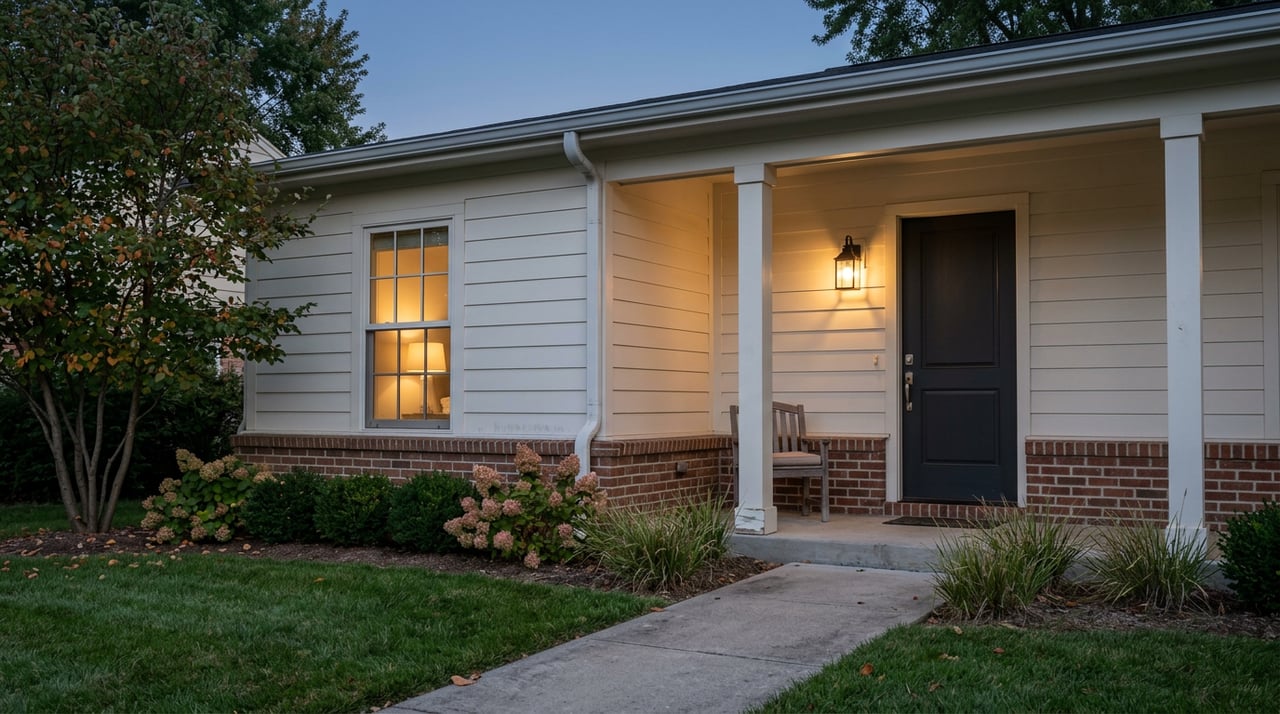
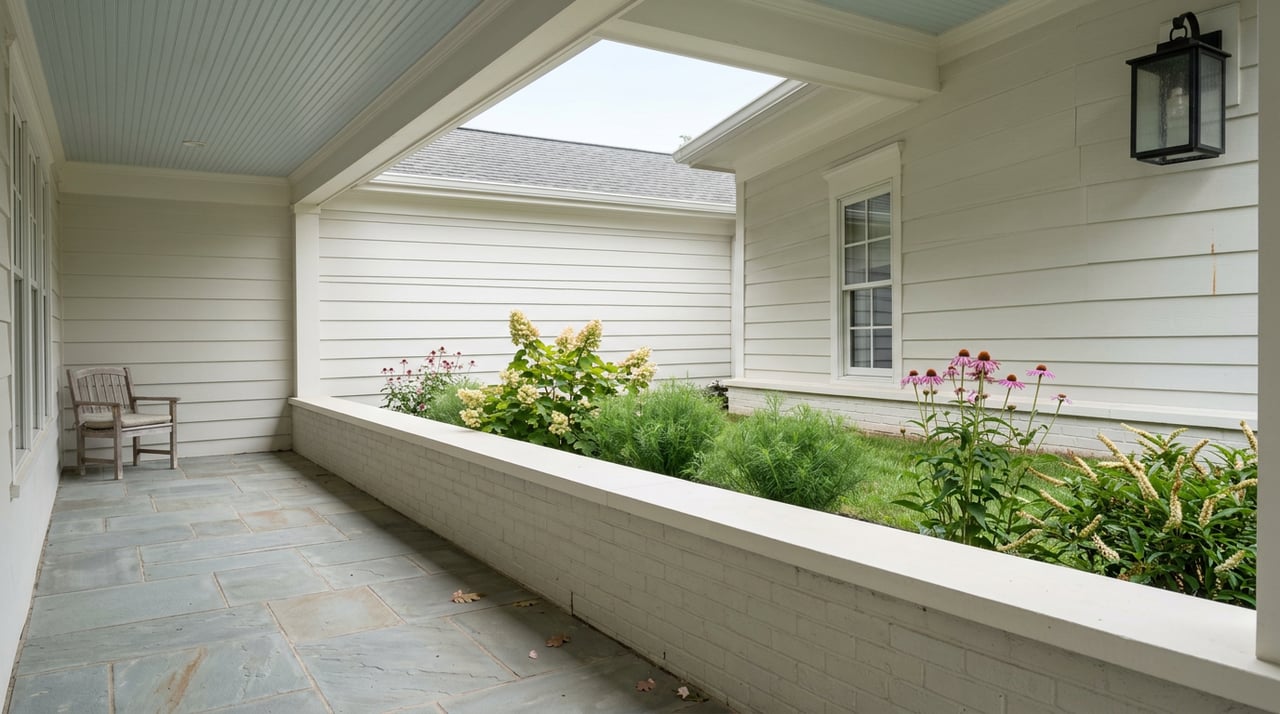
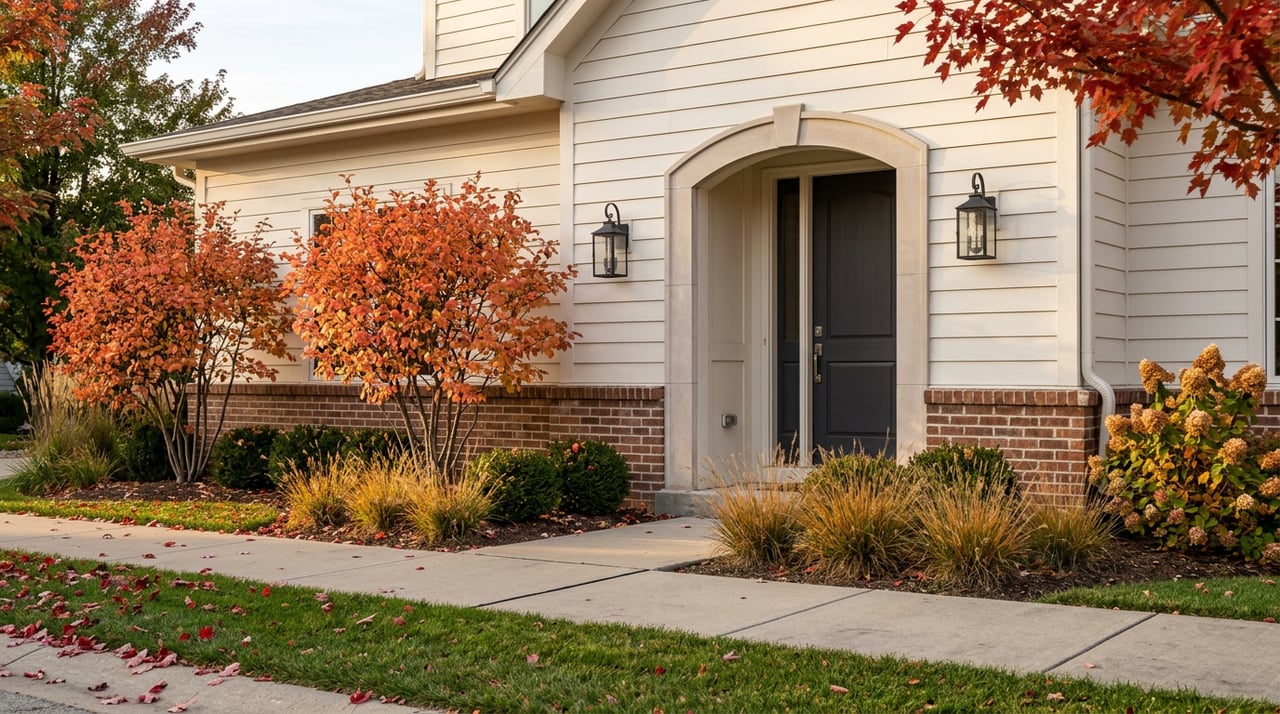
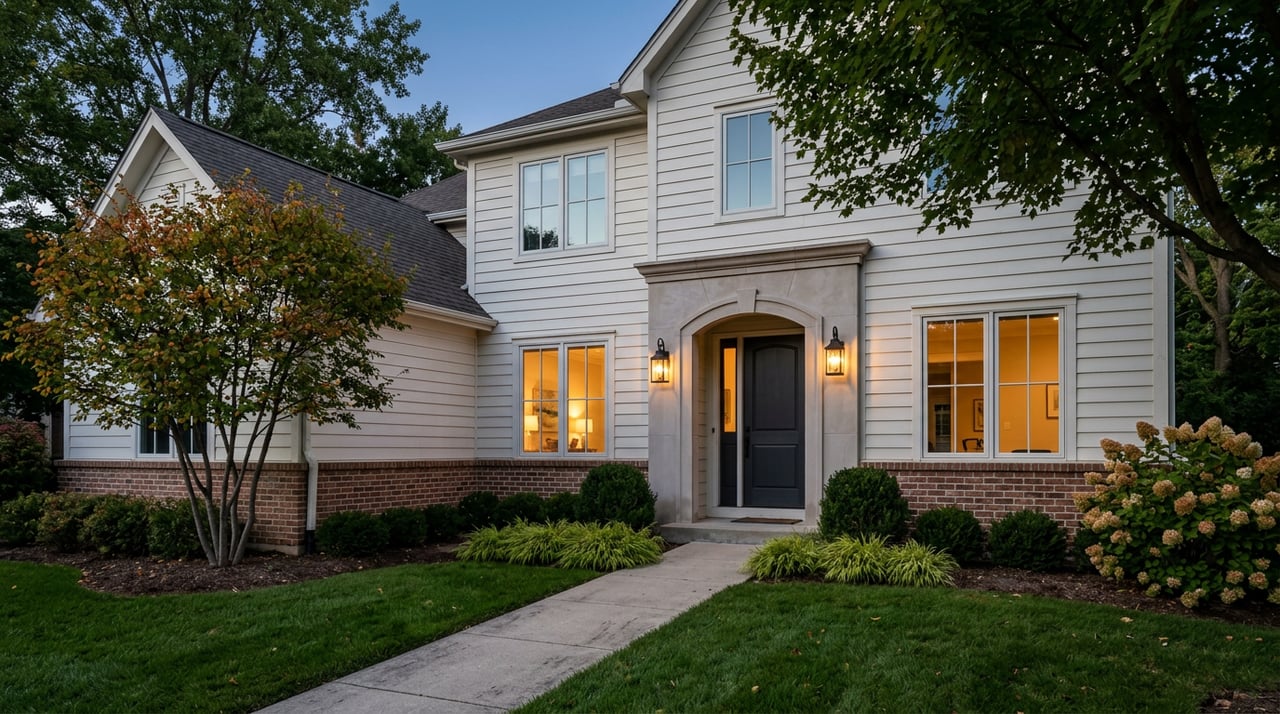
Condition matters. Fresh paint, tidy landscaping, pro‑level photos, and targeted staging can place your home at the higher end of a CMA range compared with similar but less polished listings. Your agent can show how features like a finished basement or a recent kitchen update shift values within your specific comp set.
Choose a launch price with purpose
A strong CMA should produce a range, plus a recommended list price supported by recent sales and today’s active competition. Ask your agent to date‑stamp the recommendation and name the MLS sources used. Then align your launch strategy with your goals, timeline, and tolerance for risk.
Monitor your first 7 to 14 days closely. That launch window is when buyer alerts fire, open‑house traffic peaks, and you get the clearest read on price and presentation. If showings, saves, and feedback are soft, revisit both within two weeks.
Strategy A: Price slightly below market
This competitive approach aims to draw more showings and offers fast, which can be effective when months of inventory is low. The benefit is momentum and the potential for multiple offers. The risk is an appraisal gap if the winning price outpaces recent comps. If that happens with a financed buyer, your options include renegotiating, asking the buyer to cover some or all of the gap, seeking another appraisal route, or adjusting the price. For how appraisers weigh comparable sales and adjustments, refer to Fannie Mae’s guidance.
Strategy B: List at the top of the range
This conservative approach maximizes asking price and leaves room to negotiate. The tradeoff is often more time on market, a higher chance of later reductions, and weaker perceived momentum. In many markets, homes that sit and take multiple cuts can end with lower net proceeds than homes priced to spark early demand. Consider the time cost too, including carrying expenses if the listing drags.
Use buyer psychology the smart way
- Price bands and filters. Most buyers start online and use round‑number filters. Pricing just under a common threshold, like 499,900 instead of 500,000, can place your home in more search buckets. NAR’s buyer and seller profiles highlight how central online search is to the process.
- Left‑digit effects. Academic studies find a left‑digit bias where pricing just below a round number can attract more attention and, in some segments, stronger bidding. Other research suggests round numbers can signal “prestige” in luxury tiers. Treat these as tools, not guarantees, and rely on local agent judgment by price band. You can review published research on left‑digit bias in housing markets for more detail.
Watch signals and adjust fast
Hamilton County’s Dec 2025 MLS data show months of inventory at 1.7 and a longer median time to pending compared with the pandemic‑era lows. That means buyers have more to choose from than a few years ago, and pricing precision matters. Repeated price cuts can condition buyers to wait for the next one, which reduces leverage. A small, timely adjustment based on real feedback can be helpful, but avoid a slow drip of reductions that signal a mispriced listing. For current county metrics and trends, review the Indiana Association of REALTORS monthly report.
Quick checklist: pricing your Carmel home
- Lead with local numbers. Example: “As of Jan 31, 2026, Carmel’s typical value was about $547,770, and county months of inventory was 1.7 in Dec 2025.” Note the source and definition used.
- Ask your agent for a clear CMA. Make sure it includes 3 to 6 months of nearby sales, current pendings, and active competitors with adjustments for features and condition. See NAR’s consumer guide for what a solid CMA covers.
- Ask sharper CMA questions:
- Which exact comps did you use and why are they most similar?
- How did you adjust for condition and recent market movement?
- Which price band captures the largest buyer pool for my home?
- What is our 14‑day monitoring plan, and what triggers a change?
- Choose your tactic. Price slightly below market to concentrate demand, or list at the top of the range to test price, knowing the time‑and‑perception tradeoffs.
- Prep presentation. Declutter, refresh with neutral paint where needed, invest in professional photos, and stage high‑impact rooms like the living room, kitchen, and primary bedroom. NAR’s staging research finds many agents report shorter market times and that staging sometimes increases offers in reported cases.
When speed matters
If your priority is certainty or a quick exit because of relocation, inheritance, or property condition, you still have options. The Molife Group offers both full‑service MLS listings to maximize price and a fast, as‑is cash purchase path for sellers who value speed and simplicity. You can choose the route that fits your timeline and comfort level, then switch tracks if your needs change.
Final thoughts
Pricing well in Carmel means pairing up‑to‑date local data with a clear launch strategy and the flexibility to adjust based on feedback. A strong CMA, a clean presentation, and a smart price point work together to attract the right buyers quickly. If you’d like a custom pricing plan for your home or want to compare a traditional listing with an as‑is cash option, reach out to The Molife Group for straightforward guidance that fits your goals.
FAQs
How should Carmel sellers read conflicting market numbers?
- Different sources use different measures, cutoffs, and geographies, so note whether you’re seeing a typical value, a median sale or list price, and days to pending versus days to closing before making decisions.
What signals tell me my price is off in the first two weeks?
- If showings, online saves, and inquiries are weak in days 7 to 14 and feedback mentions price more than condition, revisit your price and presentation with your agent.
Are price reductions always a red flag to buyers?
- Not always; one well‑timed reduction based on real feedback can re‑energize interest, but repeated cuts often signal overpricing and can reduce your negotiating leverage.
What if the appraisal comes in below my contract price?
- You and the buyer can renegotiate, the buyer can cover part or all of the gap, a second appraisal route may be explored, or the price can be adjusted based on comparable sales and lender requirements.
Does staging in Carmel usually pay for itself?
- NAR research indicates many agents see faster sales and that staging sometimes increases offer values, but results vary by home and market, so ask your agent for a staged versus unstaged comparison in your micro‑market.