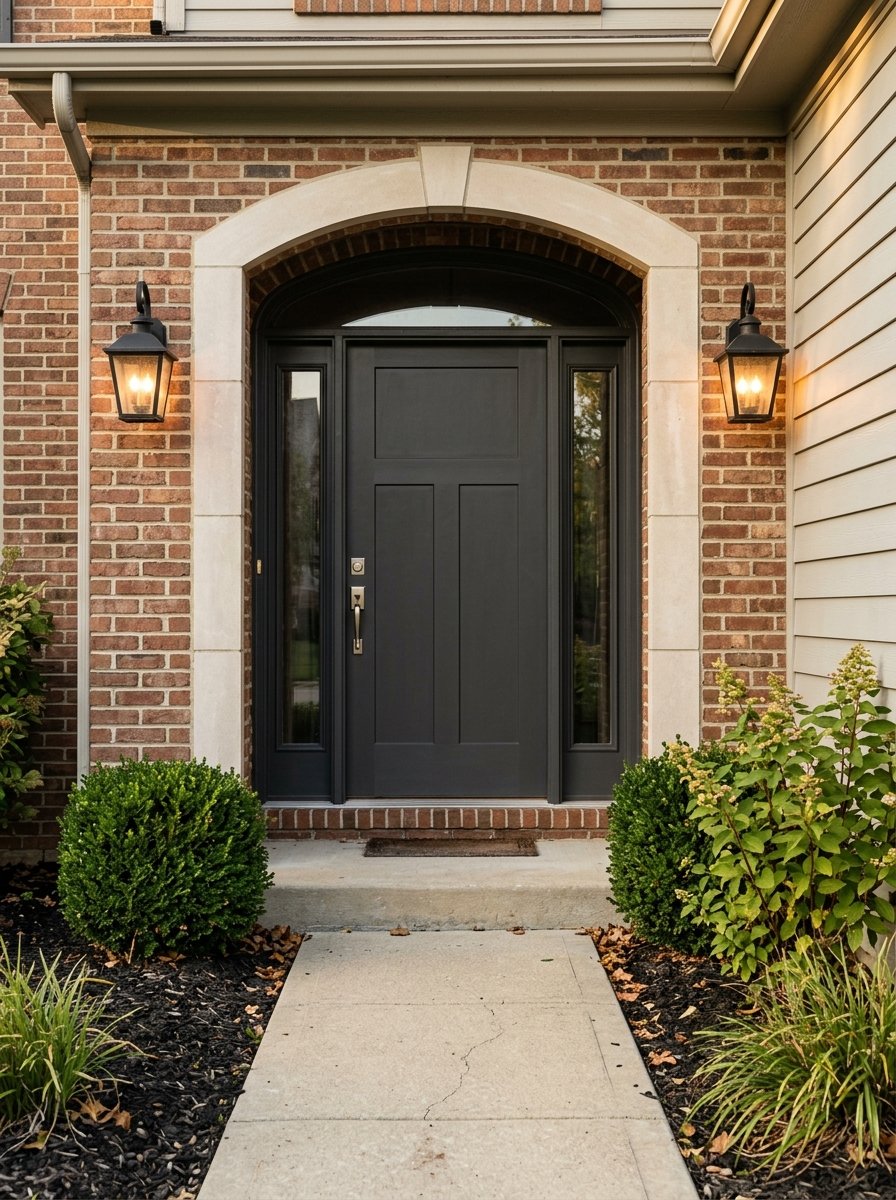
Wondering whether a condo, townhome, or house makes the most sense in Indianapolis? It is a common question, and the answer is not always as simple as picking the style you like best. Your budget, maintenance comfort, privacy needs, and even the legal ownership structure can all change what daily life and monthly costs look like. If you want to make a smart move with fewer surprises, this guide will help you compare your options clearly. Let’s dive in.
How home types differ in Indianapolis
In Indianapolis, a condo, townhome, and detached house can look very different on paper, even when they seem similar in person. That matters because what you legally own affects maintenance, association rules, insurance, and financing.
Under Indiana condo law, condo owners have an undivided interest in common areas and facilities. The declaration and bylaws help define how shared elements are maintained and repaired. In simple terms, you usually own your unit and share responsibility for certain common spaces through the association.
A townhome is often a style description, not a legal ownership type. Some townhomes are owned fee simple, while others are legally set up as condominiums. That means two nearly identical townhomes in Indianapolis can come with very different responsibilities and costs.
A detached house is usually the clearest ownership model. You typically own the home and lot directly, and you usually take on the repair and maintenance burden yourself. If you want fewer gray areas, a house often offers the most straightforward setup.
Where attached homes show up most
In Indianapolis, attached housing tends to be more visible in the city core and other walkable, higher-density areas. City planning guidance places townhomes near collector streets, greenways, parks, and neighborhood-serving retail, which helps explain where you are most likely to find them.
Downtown examples include for-sale condo and townhome communities in areas like Lockerbie and Chatham Arch. If you are drawn to a more urban, connected lifestyle, condos and townhomes may show up more often in the places you are already searching.
Condo living in Indianapolis
Why buyers choose condos
Condos usually appeal to buyers who want less exterior maintenance. Shared services and structural features, such as roofs and hallways, are often covered through condo fees, which can reduce your day-to-day upkeep.
That can be especially helpful if you travel often, want a simpler routine, or do not want to manage as many exterior repairs yourself. For some buyers, that convenience is worth the tradeoff.
What to watch with condos
The biggest tradeoff with a condo is that you have less autonomy than you would with a detached house. You are more closely tied to the association’s rules, finances, and maintenance decisions.
Financing can also involve more project-level review. Because the condition of the building and the association affects all owners, lenders may look more closely at project financial health, insurance coverage, and any critical repairs. That does not mean condo financing is off the table, but it does mean the details matter.
Townhome living in Indianapolis
Why buyers choose townhomes
Townhomes often land in the middle between condos and houses. Many buyers like them because they can offer more space and a more house-like feel, while still requiring less upkeep than a detached property.
In Indianapolis, townhomes can be a strong fit if you want attached living without giving up too much square footage. Some local projects also include features like attached garages, which can make the setup feel even more similar to a house.
Why townhomes need extra review
The word townhome can be misleading because it often describes appearance, not ownership. One townhome may be fee simple, while another may be condo-titled, and that difference can affect what you own, what the HOA maintains, and what monthly dues cover.
Before you make an offer, read the title documents and association documents carefully. Do not rely only on the marketing label. In this category, the paperwork matters just as much as the floor plan.
House living in Indianapolis
Why buyers choose detached houses
If you want the most privacy, yard flexibility, and control over exterior changes, a detached house usually offers the most freedom. It is often the best fit for buyers who want more separation from neighbors and fewer shared decisions.
A house can also be a better match if you value having direct control over repairs, landscaping, and long-term property updates. For many buyers, that level of independence is a major advantage.
What to watch with houses
The tradeoff is simple: more control usually means more responsibility. As the owner, you should expect to handle maintenance and repairs ranging from routine fixes to major replacements like a roof.
That means your monthly cost picture may be less predictable than it first appears. Even without association dues, a house often requires a bigger maintenance budget and a stronger emergency fund.
Comparing monthly costs
Many buyers focus first on purchase price, but that does not tell the full story. HOA or condo dues are usually paid separately from the mortgage, so your true monthly cost may be higher than the listing price suggests.
Nationally, the median monthly condo or HOA fee was $135 in 2024, and about 3 million households paid more than $500. That wide range helps explain why a lower-priced condo can sometimes cost about the same per month as a higher-priced house with no association dues.
Property taxes in Indiana work a little differently than some buyers expect. The state’s tax caps depend on homestead status, not whether the property is a condo, townhome, or house. In general, owner-occupied homesteads are capped at 1 percent of assessed value, while other residential property is generally capped at 2 percent, though voter-approved referendums can exceed those caps.
What current Indianapolis pricing suggests
Recent Indianapolis market snapshots show a citywide median sale price of about $245,000 in March 2026, with homes selling in about 55 days on average. That gives you a useful baseline if you are comparing attached and detached options across the city.
On current Indianapolis market pages, condos show a median list price around $205,000, while townhouses show a median list price around $335,000. In the current mix, condos are generally the lower-priced attached option, and townhomes tend to sit higher.
That does not mean a condo is always the cheaper choice month to month. Once you add dues, insurance differences, and maintenance obligations, the right value depends on the specific property and your goals.
Questions to ask before you buy
If you are comparing condos, townhomes, and houses in Indianapolis, a few practical questions can help you narrow the field:
- How much exterior maintenance do you want to handle yourself?
- How important are privacy and yard space to you?
- Are you comfortable with HOA or condo rules?
- What do the monthly dues actually cover?
- Is the townhome fee simple or condo-titled?
- How strong are the association’s reserves and insurance?
- Will the property finance cleanly with your loan type?
These questions are especially important for attached homes. A good-looking property can still bring surprises if the ownership structure or association details are not what you expected.
Which option fits your lifestyle best
Choose a condo if you want simplicity
A condo may be the best fit if you want the least exterior maintenance and are comfortable paying dues for shared spaces and shared decision-making. This option can work well if convenience matters more to you than control over every exterior detail.
Choose a townhome if you want balance
A townhome may be the right choice if you want more space and a more house-like feel, but still want less upkeep than a detached property. Just make sure you confirm the legal structure before moving forward.
Choose a house if you want control
A detached house may be the strongest fit if you want the most privacy, yard flexibility, and freedom to manage the property your way. It usually comes with the biggest maintenance load, but also the most independence.
Choosing between a condo, townhome, or house in Indianapolis comes down to more than curb appeal. When you look closely at ownership structure, dues, maintenance, and financing, the best option becomes much clearer. If you want help comparing real properties and understanding how the numbers work in real life, The Molife Group is here to help you move forward with clarity and confidence.
FAQs
What is the difference between a condo and a townhome in Indianapolis?
- In Indianapolis, a condo is a legal ownership structure with shared common areas, while a townhome is often a style label and may be either fee simple or condominium ownership.
Are condo fees included in your mortgage payment in Indianapolis?
- Usually no. Condo and HOA dues are generally paid separately from your mortgage, so you should review the full monthly cost before buying.
Are townhomes cheaper than houses in Indianapolis?
- Not always. Townhomes may have a different purchase price than houses, but dues, maintenance responsibilities, and ownership structure can change the total monthly cost.
Do houses have lower monthly costs than condos in Indianapolis?
- Sometimes, but not always. A house may have no HOA dues, yet you may pay more out of pocket for repairs, maintenance, and future replacements.
What should you review before buying an attached home in Indianapolis?
- Review the ownership structure, HOA dues, what the dues cover, the association’s reserves, the project’s insurance, and whether the property will work with your loan type.